In nearly two decades of home visits as a Doctor of Physical Therapy, I’ve seen the same pattern over and over. A client who had been managing independently for years is suddenly struggling — not because their health changed dramatically, but because their home quietly became a hazard zone they adapted around until they couldn’t anymore.
Approximately 40% of all falls among older adults happen at home. About half of all senior falls happen within their own four walls — in familiar rooms they’ve navigated thousands of times. The irony is that familiarity creates false confidence. We stop seeing hazards in places we’ve always moved through safely.
The encouraging truth: most of those falls are preventable. Research shows that systematic home modifications can reduce falls by 21% to 39%. Many of the most effective changes cost less than $200. This guide walks you through every room with specific, evidence-based changes — organized by risk level — so you know exactly where to start.
Why Home Modifications Work: The Evidence
| Research Note: A comprehensive meta-analysis of randomized trials found that home environmental interventions reduced falls by approximately 21% among community-dwelling older adults. Well-designed programs have achieved reductions up to 39% when modifications are combined with exercise and medication review. |
| Cost Perspective: Research from Washington University found that a community-based fall prevention program reduced in-home falls by nearly 40%, with every dollar spent returning approximately two dollars in saved medical care. Average per-person cost: $765. Average decline in healthcare utilization: $1,613. Home modifications on their own average less than $200 for minor changes — a fraction of a single emergency room visit. Researchers have called home modification ‘a low-cost, highly cost-effective, high-return intervention.’ |
What’s also worth knowing: even a single modification is associated with a lower likelihood of fall-related injury. You don’t need to do everything at once. Starting somewhere — installing one grab bar, removing one rug — meaningfully changes your risk profile. And the benefits extend to everyone in the home, not just those at elevated fall risk.
What Makes Homes Dangerous: Common Hazards
Research estimates that 30% to 50% of falls are attributable to environmental hazards — and these hazards don’t cause falls in isolation. They interact with individual risk factors like reduced vision, slower reaction times, medication side effects, and balance impairment to create the conditions for a fall.
The most common household hazards are:
- Poor or insufficient lighting, especially in stairways, hallways, and bathrooms
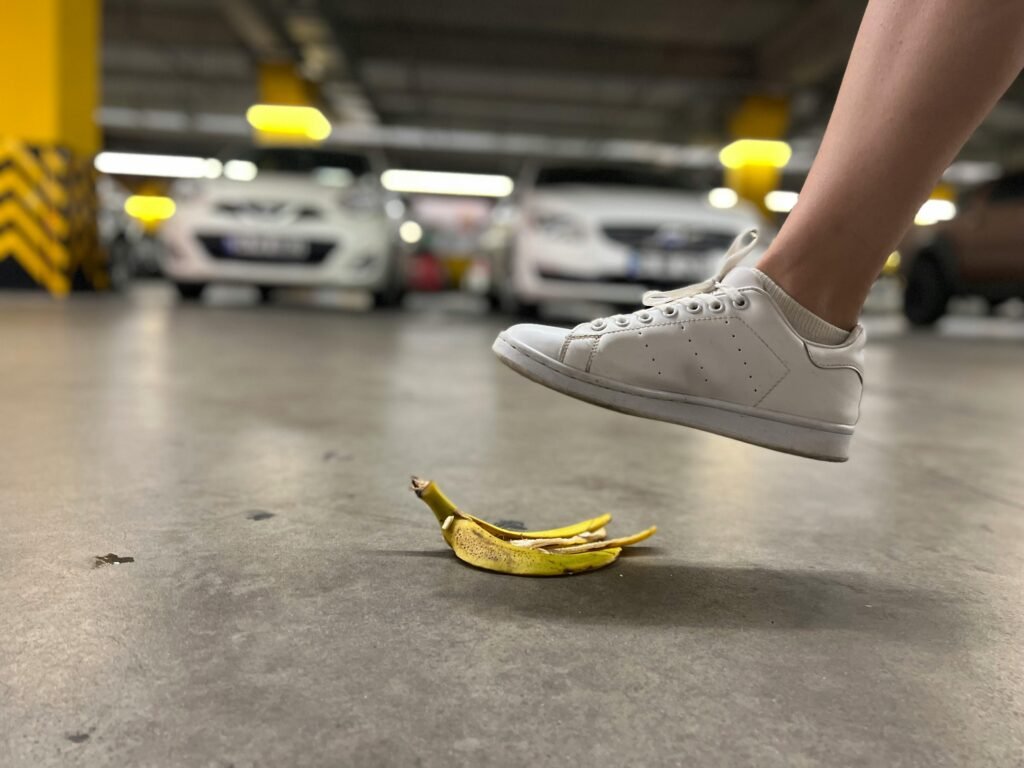
- Loose or unsecured rugs and mats — a leading tripping hazard
- Cluttered walkways and floors
- Slippery bathroom and kitchen surfaces
- Absence of grab bars where support is needed most
- Uneven floor transitions between rooms or at exterior thresholds
- Electrical cords crossing walking paths
- Furniture at heights that make sitting down or standing up difficult
| High Risk: Most falls occur during ordinary walking — triggered by incorrect weight shifts, unexpected surface changes, or tripping hazards. The bathroom is the highest-risk single room in most homes. Many falls happen at night during bathroom trips, when lighting is poor and the person is less alert. |
Room-by-Room Fall Prevention Guide
Bathroom — Your Highest Priority
The combination of wet surfaces, challenging posture transitions, and awkward movements makes the bathroom the highest-fall-risk room in most homes. Address this room first.
| Shower and Tub✓ Install grab bars inside the shower/tub and on the adjacent wall — positioned for both standing and seated use✓ Add non-slip strips or a non-slip mat to the tub and shower floor✓ Install a shower bench or chair if you experience any balance difficulty or fatigue while bathing✓ Add a handheld showerhead to reduce the need to move around on wet surfaces |
| Toilet Area✓ Install a grab bar on the wall beside the toilet — sit-to-stand transitions are a common fall point✓ Consider a raised toilet seat if standard height is difficult to rise from✓ Ensure the toilet paper holder is within easy reach without leaning or twisting |
| General Bathroom✓ Install a light switch at the entrance — never enter a dark bathroom✓ Add a nightlight or motion-activated light for nighttime use✓ Remove or firmly secure all bath mats and rugs✓ Keep the floor dry — wipe up water immediately after bathing✓ Store daily toiletries within easy reach at counter height |
| PT Tip: Grab bars must be anchored into wall studs or solid blocking — not just drywall. An improperly installed bar that pulls from the wall when you grab it can cause a worse injury than the fall it was meant to prevent. Use a licensed contractor or handyman for installation, or contact your local Area Agency on Aging for low-cost installation programs. |
Stairways — Non-Negotiable Safety Features
Stairs deserve the same priority as bathrooms. A fall on stairs is among the most likely to result in serious injury.
| Stairway Checklist✓ Install sturdy handrails on both sides of every stairway — securely fastened to support full body weight✓ Always hold the handrail when ascending or descending, even when your hands are full (if carrying prevents this, make two trips)✓ Install light switches at both the top and bottom of every stairway✓ Consider motion-activated stair lighting that illuminates automatically✓ Mark step edges with contrasting tape if they are difficult to distinguish✓ Ensure all carpeting is firmly secured with no loose edges or worn patches✓ Add non-slip treads to any smooth indoor or outdoor steps✓ Keep stairs completely clear — no stored items, even temporarily✓ Fix any uneven, cracked, or worn steps immediately |
Living Room and Dining Room — Clear Pathways
| Living Area Checklist✓ Create walking pathways at least 36 inches wide throughout the room✓ Remove low coffee tables or ottomans from main walking paths✓ Remove all loose rugs, or secure them with non-slip backing and double-sided tape on all edges✓ Ensure all carpet is fixed firmly to the floor with no lifted edges or worn patches✓ Tack or tape all electrical cords along walls — never allow them to cross walkways✓ Choose seating that allows feet to rest flat on the floor and permits standing without excessive effort✓ Install adequate lighting with switches accessible at room entrances✓ Add lamps in dark corners to eliminate shadowed areas✓ Store frequently used items at waist to shoulder height — avoid high shelves and floor-level storage✓ Keep a flashlight in your primary seating area for power outages |
Kitchen — Function and Safety Together
| Kitchen Checklist✓ Wipe up spills immediately — wet kitchen floors are extremely slippery✓ Keep walkways clear of appliances, grocery bags, and anything that accumulates on the floor✓ Reorganize storage so frequently used items are between waist and shoulder height✓ Use a sturdy step stool with a handrail if you must reach higher shelves — never a chair✓ Prepare food seated when possible to reduce fatigue-related balance problems✓ Use a wheeled cart to transport items rather than carrying multiple things at once✓ Ensure adequate task lighting over work surfaces✓ Place a non-slip mat in front of the sink |
Bedroom — Safe Sleep and Nighttime Movement
Nighttime bathroom trips are a high-risk period — diminished alertness, darkness, and rushing all increase fall risk. Design your bedroom for safe navigation to and from the bathroom.
| Bedroom Checklist✓ Set bed height so you can sit on the edge with feet flat on the floor✓ Install a bedside lamp with an easy-to-reach switch, or use a touch-activated lamp✓ Keep a flashlight or phone with flashlight app on your nightstand✓ Install a nightlight that illuminates the path from bed to bathroom✓ Clear a direct, obstacle-free path from your bed to the bathroom — check it nightly✓ Keep your phone or a medical alert device accessible from your bed✓ Remove any rugs between the bed and bathroom door✓ If you use a walker or cane, keep it immediately beside your bed — within arm’s reach before you stand |
Hallways, Entryways, and Outdoor Areas
| Hallways and Entryways✓ Install light switches at both ends of all long hallways✓ Add motion-activated plug-in lights that illuminate automatically when you pass✓ Keep all hallways completely clear — no furniture, shoes, decorations, or stored items✓ Remove or firmly secure all decorative rugs in hallways and entryways✓ Fix any uneven thresholds between rooms or at exterior doorways✓ Install a grab bar near the front door for stability while locking and unlocking |
| Outdoor and Exterior✓ Ensure all exterior steps are in good repair — no broken, uneven, or crumbling surfaces✓ Add non-slip materials to outdoor steps and walkways✓ Install motion-activated exterior lighting at all entrances✓ Keep walkways, decks, and porches clear of debris, fallen leaves, and branches✓ In winter, treat walkways with ice melt or sand before going outside✓ Ensure handrails at exterior steps are sturdy and properly anchored |
How to Implement Changes Effectively
Start with a Professional Home Safety Assessment
While you can identify many obvious hazards yourself, a trained professional will catch risks you’ve adapted around and stopped seeing. Occupational therapists and physical therapists are specifically trained to evaluate home safety in the context of your individual functional abilities. Research shows that even a single home visit by a trained therapist — combined with implementation of recommended changes — significantly reduces fall risk.
Many community programs offer home safety assessments at low or no cost. Contact your local Area Agency on Aging (findable through the Eldercare Locator at 1-800-677-1116) to ask what programs are available in your area.
Prioritize in the Right Order
You don’t need to do everything at once. Research suggests that making the easiest and most feasible changes first increases compliance and builds momentum. A practical sequence:
- First: high-risk areas — bathroom and stairways
- Second: hazards you’ve already noticed or nearly tripped over
- Third: changes that address your specific risk factors (e.g., better lighting if vision is a concern)
- Fourth: convenience and comfort improvements that support continued independence
Ensure Quality Installation
Structural modifications — especially grab bars — must be installed correctly to be safe. Grab bars anchored only to drywall can pull free under weight, potentially causing worse injuries. Use a licensed contractor, a handyman experienced with accessibility modifications, or a program through your Area Agency on Aging that provides installation assistance. Some nonprofits and community organizations offer this service at reduced or no cost for qualifying seniors.
Combine with Other Fall Prevention Strategies
Home modifications work best as part of a broader fall prevention approach. Research consistently shows that multicomponent programs — combining home modifications with exercise, medication review, and vision/hearing care — reduce falls by significantly more than modifications alone. See our companion posts on balance exercises for seniors and the importance of balance for a complete picture.
Reassess Regularly
Your home doesn’t stay static, and neither does your functional ability. Inspect for new hazards after furniture changes, seasonal transitions, or any change in your health or mobility. Replace worn non-slip surfaces. Re-check that grab bars remain firmly anchored. What was adequate a year ago may need updating now.
Overcoming Resistance to Home Modifications
Despite clear evidence of benefit, many older adults resist making changes to their homes. Understanding the most common barriers can help you work through them.
“I’m not at risk.” Research shows that over 70% of older adults who fell in the past year didn’t believe they were at risk for another fall. This perception gap is one of the most dangerous aspects of fall prevention. If you’ve had even one fall or near-fall, you are at elevated risk.
“It feels like giving up independence.” The opposite is true. Home modifications preserve independence by preventing the injury that would eliminate it. A grab bar is not a symbol of decline — it is a tool for staying in your home on your terms.
“It’s too expensive.” Many effective modifications cost very little. Removing rugs costs nothing. Nightlights cost a few dollars. Even grab bars and handrails are relatively inexpensive compared to the cost of one emergency room visit. Funding assistance for low-income seniors is also available through state programs, Area Agencies on Aging, and nonprofit organizations.
“I don’t know where to find reliable help.” Your local Area Agency on Aging (Eldercare Locator: 1-800-677-1116) can provide referrals to vetted contractors and community programs that specialize in senior home modification.
When to Get a Professional Assessment
Consider scheduling a professional home safety assessment if:
- You’ve had even one fall or near-fall
- You feel unsteady when walking or changing direction
- You avoid certain rooms or activities in your home because of safety concerns
- You’ve recently been hospitalized or experienced a change in health, vision, or mobility
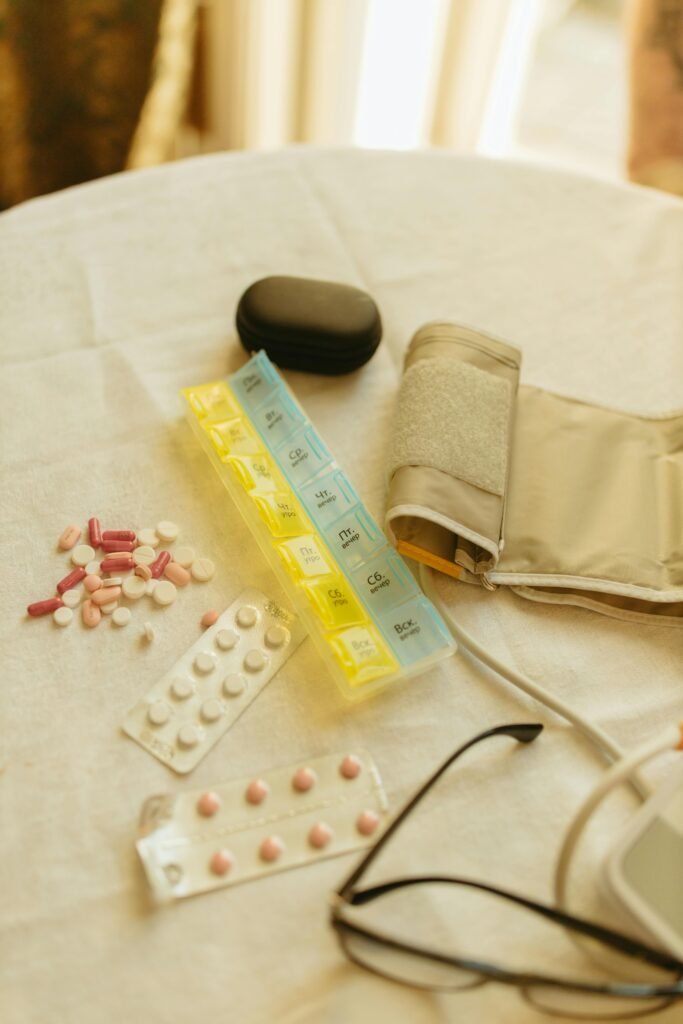
- You take multiple medications, especially those that affect balance or blood pressure
- A family member or caregiver has expressed concern about your safety at home
Medicare covers physical therapy and occupational therapy services when medically indicated, including home safety evaluations in many circumstances. Contact your physician for a referral.