mobilityandbeyondpt@gmail.com

Chronic Pain Management Without Medication: Evidence-Based Alternatives

Somewhere between 25% and 50% of older adults living independently in the community experience chronic pain. In long-term care settings that number climbs to 80%. For most of them, pain isn’t just discomfort — it’s a daily barrier to movement, independence, sleep, and quality of life. Medications have a role in pain management. But medication

Chronic Pain Management Without Medication: Evidence-Based Alternatives Read More »

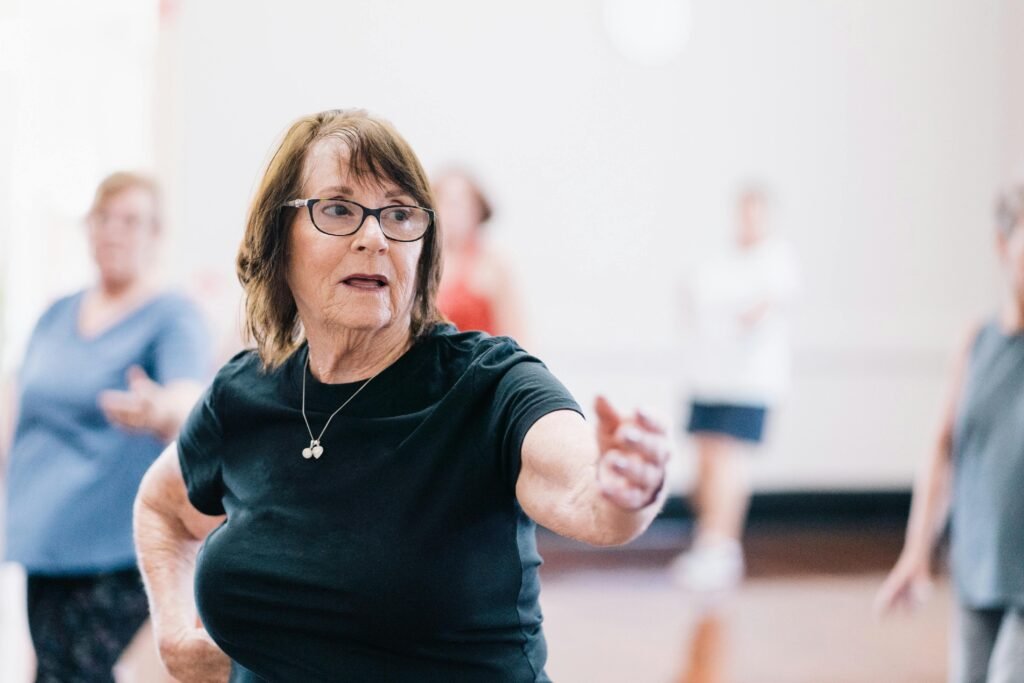
Why Moving More Helps You Hurt Less: Movement for Chronic Pain

Here is a paradox I encounter constantly in my practice: when something hurts, the instinct is to rest and avoid movement. It feels logical. It feels protective. But for chronic pain — pain lasting three months or longer — this instinct often makes things worse, not better. The evidence is unambiguous. Appropriate physical activity and

Why Moving More Helps You Hurt Less: Movement for Chronic Pain Read More »

Joint Protection Techniques for Daily Activities: A Practical Guide for Older Adults with Arthritis

Every time you open a jar, carry a bag of groceries, or push up from a chair, you are either protecting your joints or stressing them. Most people never think about it. For the 27 million Americans living with osteoarthritis — and the millions more managing rheumatoid arthritis and other joint conditions — how you

Joint Protection Techniques for Daily Activities: A Practical Guide for Older Adults with Arthritis Read More »

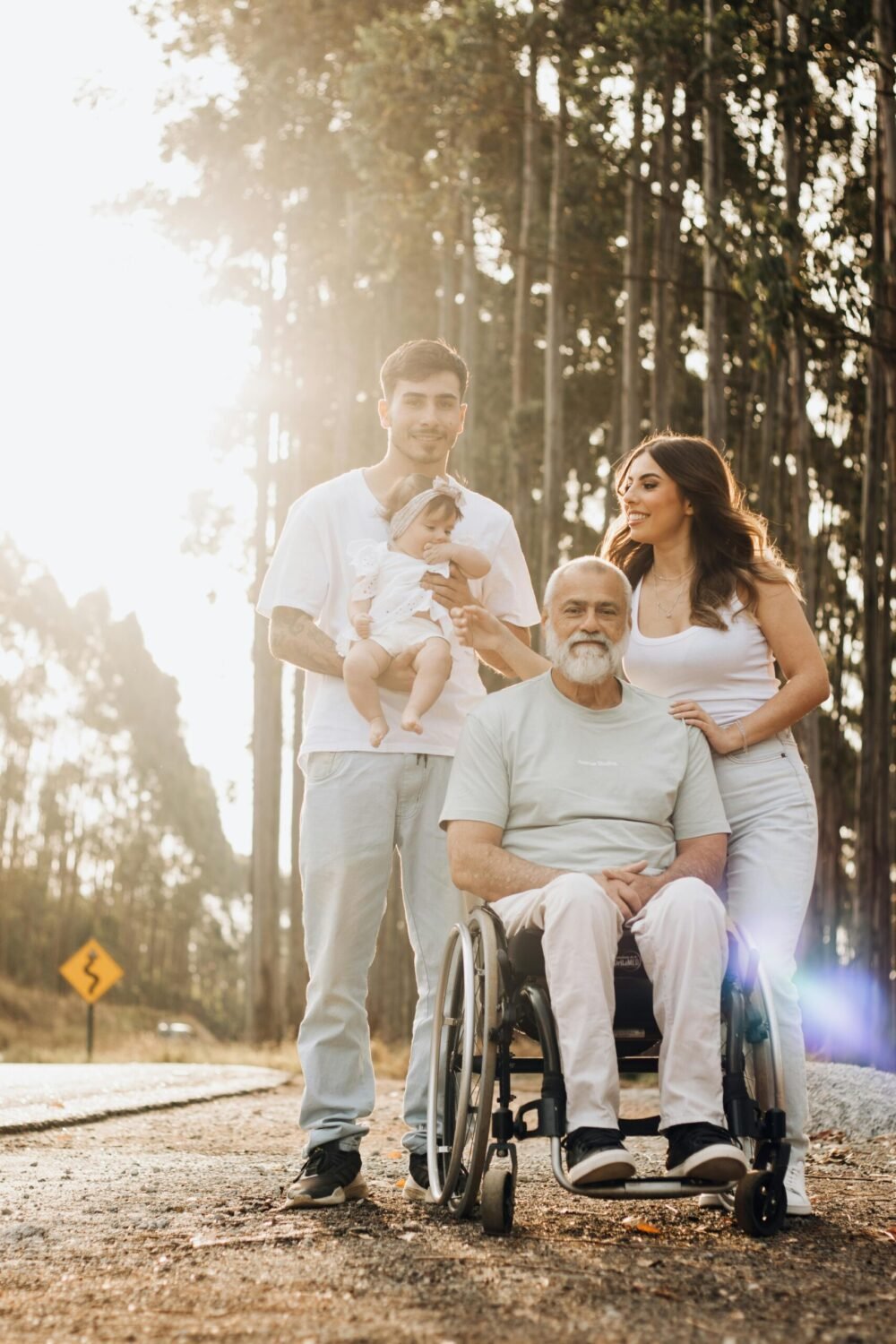
How to Talk to Doctors: A Caregiver’s Complete Guide to Healthcare Advocacy

In my 19 years as a Doctor of Physical Therapy, I’ve watched the same two scenarios play out hundreds of times. In one, a caregiver walks into an appointment prepared — list in hand, observations documented, questions ready — and leaves with clarity, a plan, and confidence about what comes next. In the other, a

How to Talk to Doctors: A Caregiver’s Complete Guide to Healthcare Advocacy Read More »

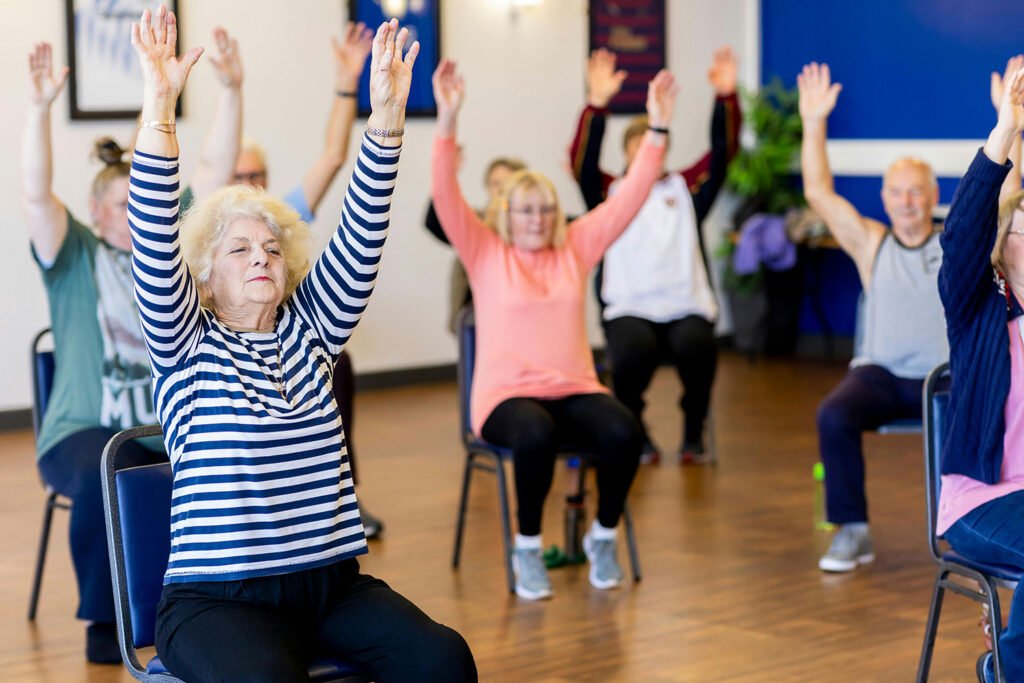
Chair-Based Exercise: Why Seated Movement Matters for Older Adults

I’ve seen it happen more times than I can count. An older adult decides they’re done with exercise — maybe after a hip replacement, a bad fall, or years of arthritis pain convincing them that movement and discomfort are unavoidable partners. And then they discover chair-based exercise, and something shifts. The 82-year-old who thought her

Chair-Based Exercise: Why Seated Movement Matters for Older Adults Read More »

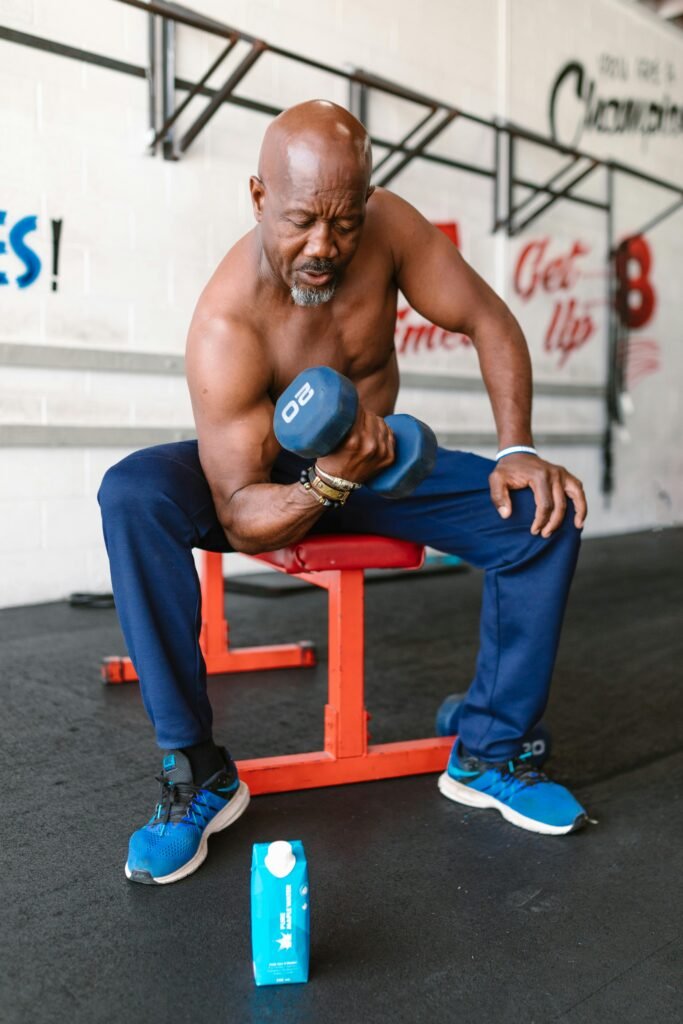
Strength Training for Older Adults: How to Get Started and See Results

There’s a moment I witness regularly in my work as a Doctor of Physical Therapy: an older adult who assumed declining strength was simply part of getting older discovers — sometimes within just a few weeks — that they can get stronger. Noticeably, meaningfully stronger. The science supports what I see in practice. Resistance training

Strength Training for Older Adults: How to Get Started and See Results Read More »