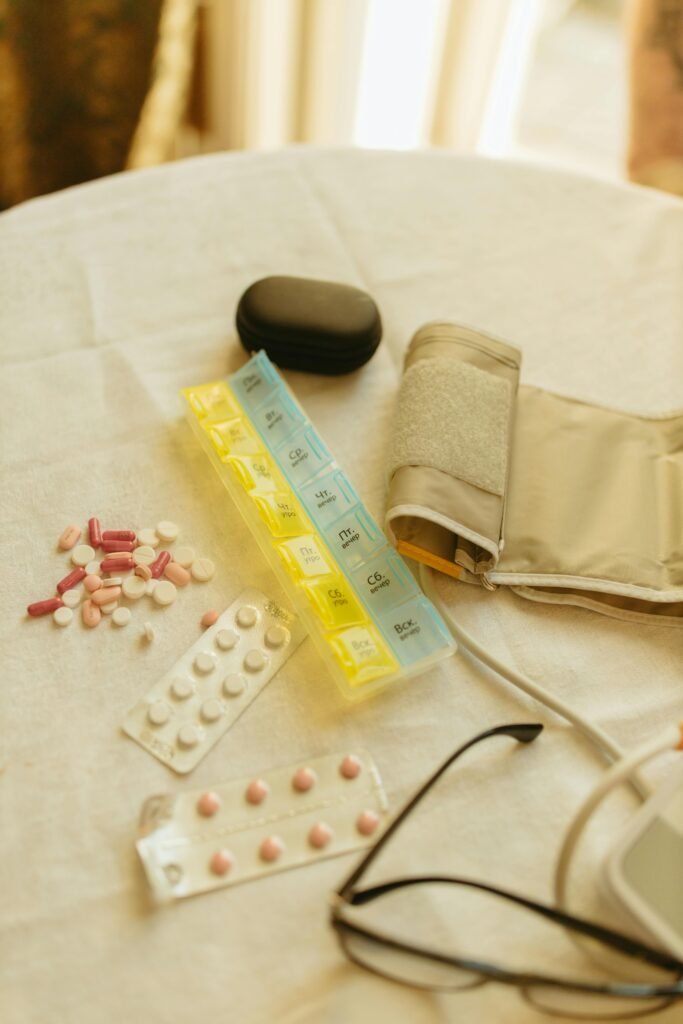
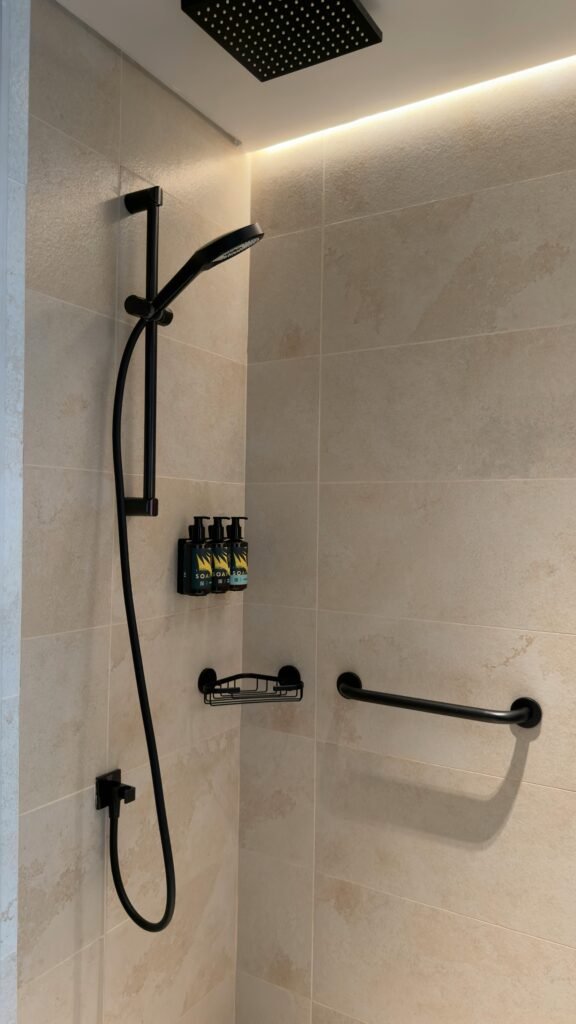
Most older adults don’t want to leave their homes. According to AARP, 77% of adults over 50 prefer to age in place — staying in their own home as long as possible. But here’s the reality: only about 10% of American homes are currently set up to support safe aging in place.
As a Doctor of Physical Therapy with nearly 20 years of experience helping seniors maintain their independence, I can tell you that successful aging in place isn’t a matter of luck. It’s a matter of preparation. The right home modifications reduce fall risk, build confidence, and make it far easier to live independently without depending on others for basic tasks.
Research backs this up: home modifications have been shown to reduce informal care hours needed by up to 46% per week. Simple, strategic changes — many of which cost little or nothing — can have an enormous impact on both safety and quality of life.
This room-by-room safety checklist gives you a practical, actionable starting point. Work through it at your own pace, prioritize the highest-risk areas first, and revisit it as your needs evolve over time.
Why Home Modifications Work: The Evidence
Home safety modifications are not just common sense — they’re evidence-based. Systematic reviews have found that targeted interventions like grab bars, non-slip mats, and handrails significantly reduce fall incidence, particularly in high-risk areas like bathrooms and stairways. Studies also show that these changes are associated with improvements in self-rated health and life satisfaction among older adults.
What works best is combining environmental modifications with regular physical activity and balance training — which is exactly the approach we take at Mobility and Beyond. Your home should support your movement, not work against it.
| 💡 PT Tip: A home safety assessment by a physical therapist or occupational therapist can identify hazards you might overlook and provide personalized recommendations tailored to your specific needs and health conditions. |
Floors, Stairways & Hallways
Transition spaces — hallways, stairways, and floor-level changes — are where a disproportionate number of falls occur. Start here.
Floor Safety
- Remove all small throw rugs — they are one of the leading tripping hazards in the home
- Secure larger area rugs with non-slip backing or double-sided carpet tape
- Repair any loose floorboards, torn carpeting, or uneven floor transitions immediately
- Keep all walking paths completely clear of clutter, shoes, bags, and cords
- Never walk on wet or freshly mopped floors — place a visible warning near wet areas
Lighting
- Install adequate lighting at both ends of all hallways
- Place motion-activated night lights in hallways for automatic illumination after dark
- Ensure light switches are accessible at room entrances — never walk through darkness to reach a switch
- Replace dim bulbs with brighter LED bulbs in all high-traffic areas
- Consider smart bulbs or touch-activated lamps for easier control
Stairway Safety
- Install secure handrails on both sides of every stairway — always hold the rail when ascending or descending
- Mark the edge of the top and bottom steps with contrasting-colored tape if the colors blend together
- Ensure all stair carpeting is firmly attached with no loose edges or worn areas
- Keep stairways completely clear — nothing should be stored on steps, even temporarily
- If stairs become consistently difficult, consult a professional about stairlifts or first-floor living options
Footwear
- Wear supportive, non-slip footwear indoors — avoid walking in socks on hard floors
- Choose slippers with backs and non-slip soles rather than open-heel styles
- Replace worn-out shoes or slippers that no longer provide adequate grip
Bathroom Safety — Your Highest Priority Room
Nearly 80% of older adults acknowledge they need bathroom modifications — and with good reason. Wet surfaces, awkward movements, and disorientation during nighttime visits make the bathroom the highest-risk room in the home.
Shower & Tub
- Install grab bars inside the shower or tub AND on the adjacent wall — they must be anchored into wall studs to support full body weight
- Place non-slip mats or adhesive strips on the floor of the tub or shower
- Use a shower chair or bench if you experience balance difficulty or fatigue while standing
- Install a handheld showerhead to reduce the need to move around while wet
- Keep all bath products within easy reach — no overhead reaching or twisting
| 💡 PT Tip: Grab bars must be professionally installed into wall studs — not just drywall. A bar that pulls out of the wall is more dangerous than no bar at all. When in doubt, hire a licensed contractor or certified aging-in-place specialist. |
Toilet Area
- Install a grab bar on the wall beside the toilet to assist with sitting and standing
- Ensure toilet height allows your feet to rest flat on the floor when seated — if not, consider a raised toilet seat
- Never use towel bars or toilet paper holders for support — they are not designed to bear body weight
General Bathroom Safety
- Keep a nightlight on in the bathroom at all times
- Use non-slip bath mats outside the shower or tub
- Wipe up water spills immediately
- Store medications and toiletries at waist height — avoid bending low or reaching high
- Ensure adequate lighting, especially around the mirror and shower area
Bedroom & Nighttime Safety
A significant number of falls happen during nighttime bathroom trips — when we’re groggy, moving quickly, and navigating in low light. These simple changes can make a meaningful difference.
Lighting & Visibility
- Place motion-activated night lights to create a lighted path from bed to bathroom
- Keep a bedside lamp with an easy-to-reach switch — touch-activated lamps are ideal
- Position light switches within reach of the bed
- Keep a flashlight on the nightstand for power outages
Bed & Furniture
- Set bed height so you can sit on the edge with feet flat on the floor
- Keep the path from bed to bathroom completely clear of obstacles at all times
- Remove or firmly secure any area rugs in the bedroom
- Arrange furniture to create clear pathways at least 36 inches wide
- Avoid placing furniture with sharp corners along main walking paths
Emergency Preparedness
- Keep a phone within reach of your bed at all times
- Have emergency contact numbers readily accessible
- Consider a medical alert system or wearable emergency button if you live alone
Kitchen Safety
The kitchen involves movement, reaching, heat, and water — a combination that requires some thoughtful planning to stay safe.
Floor & Movement
- Use non-slip mats that stay firmly in place near the sink and stove
- Clean up spills — especially oil, water, or food — immediately
- Keep main walking paths clear of appliances, grocery bags, and other items
Storage & Accessibility
- Store frequently used items between shoulder and hip height — your “safe zone” for reaching
- Avoid storing heavy items on high shelves that require overhead reaching
- Use a sturdy step stool with a handrail if you must access high shelves — never stand on chairs
- Consider installing pull-out shelves in lower cabinets for easier access without bending
Safe Cooking Practices
- Sit during meal prep when possible to reduce fatigue and balance demands
- Use front burners and slide heavy pots across the counter rather than lifting and carrying
- Use a wheeled cart to transport dishes and groceries rather than carrying multiple items at once
- Keep a fire extinguisher and baking soda easily accessible
- Ensure adequate lighting over all work surfaces
Outdoor Spaces & Entryways
The transition between indoors and outdoors — particularly steps and entryways — is a common fall location, especially in wet or icy conditions.
Steps & Entryways
- Keep all entry paths clear of debris, leaves, packages, and newspapers
- Ensure all outdoor steps are even, well-maintained, and in good repair
- Install handrails or grab bars near all outdoor steps
- Add non-slip treads to outdoor steps, especially in wet or shaded areas
- Repair any cracked, uneven, or heaved concrete promptly
Outdoor Lighting
- Install bright porch lighting that fully illuminates the entryway
- Use motion-activated exterior lights that turn on as you approach
- Ensure pathway lighting guides you from your car or street to your door
- Replace burned-out bulbs immediately — do not leave outdoor lighting non-functional
Seasonal & Yard Safety
- Promptly clear snow and ice from all walkways in winter — apply ice melt or sand for traction
- Consider delegating snow removal to someone else if balance is a concern
- Keep outdoor furniture and decorations out of main walking paths
- Ensure hoses, cords, and garden tools do not cross walkways
- Trim any plants or bushes that encroach on pathways
General Home Safety: Whole-House Principles
Electrical Safety
- Route all electrical cords along walls — never across floors or walkways
- Never run cords under rugs (both a fire hazard and a tripping risk)
- Replace any frayed or damaged cords immediately
- Avoid overloading electrical outlets
Storage & Organization
- Keep frequently used items at waist-to-shoulder height throughout the home
- Use a reaching tool for high shelves rather than step stools when possible
- Declutter regularly to maintain clear, unobstructed pathways
- Store heavier items at waist level — not high up or on the floor
Pets
- Be mindful of pets underfoot, especially in narrow spaces or at the top of stairs
- Keep pet bowls, toys, and beds out of main walking paths
- Consider adding a bell to your pet’s collar so you can hear them approaching
Emergency Preparedness
- Keep emergency phone numbers accessible throughout the home
- Test smoke and carbon monoxide detectors monthly
- Keep space heaters away from walkways and flammable materials
- Have an evacuation plan and review it with household members or caregivers annually
Where to Start: A Practical Implementation Plan
A checklist this comprehensive can feel daunting. Here’s how to work through it without becoming overwhelmed:
- Start with high-risk areas first. The bathroom and stairways present the greatest fall risk. Address these before anything else.
- Tackle the free and easy fixes immediately. Removing throw rugs, improving lighting, and clearing clutter cost nothing and can be done today.
- Plan and budget for larger projects. Grab bar installation, flooring repairs, and structural changes require lead time. Create a realistic timeline.
- Reassess every six months. Your needs and the home’s demands will change. Build in regular reviews.
- Bring in a professional. A physical therapist or occupational therapist can conduct a formal home safety assessment and catch risks you might miss.
The Bottom Line on Aging in Place
Making your home safer isn’t about admitting limitation — it’s about claiming your right to live independently in the place you love. Research consistently shows that home modifications improve not just physical safety, but also quality of life, self-rated health, and life satisfaction among older adults.
With 77% of older adults preferring to stay home, and modifications proven to reduce care needs by nearly half, the question isn’t whether to make changes — it’s when. The answer is simple: start now, before a fall forces the issue. Every improvement you make today is an investment in your independence tomorrow.Most older adults don’t want to leave their homes. According to AARP, 77% of adults over 50 prefer to age in place — staying in their own home as long as possible. But here’s the reality: only about 10% of American homes are currently set up to support safe aging in place.
As a Doctor of Physical Therapy with nearly 20 years of experience helping seniors maintain their independence, I can tell you that successful aging in place isn’t a matter of luck. It’s a matter of preparation. The right home modifications reduce fall risk, build confidence, and make it far easier to live independently without depending on others for basic tasks.
Research backs this up: home modifications have been shown to reduce informal care hours needed by up to 46% per week. Simple, strategic changes — many of which cost little or nothing — can have an enormous impact on both safety and quality of life.
This room-by-room safety checklist gives you a practical, actionable starting point. Work through it at your own pace, prioritize the highest-risk areas first, and revisit it as your needs evolve over time.
Why Home Modifications Work: The Evidence
Home safety modifications are not just common sense — they’re evidence-based. Systematic reviews have found that targeted interventions like grab bars, non-slip mats, and handrails significantly reduce fall incidence, particularly in high-risk areas like bathrooms and stairways. Studies also show that these changes are associated with improvements in self-rated health and life satisfaction among older adults.
What works best is combining environmental modifications with regular physical activity and balance training — which is exactly the approach we take at Mobility and Beyond. Your home should support your movement, not work against it.
| 💡 PT Tip: A home safety assessment by a physical therapist or occupational therapist can identify hazards you might overlook and provide personalized recommendations tailored to your specific needs and health conditions. |
Floors, Stairways & Hallways
Transition spaces — hallways, stairways, and floor-level changes — are where a disproportionate number of falls occur. Start here.
Floor Safety
- Remove all small throw rugs — they are one of the leading tripping hazards in the home
- Secure larger area rugs with non-slip backing or double-sided carpet tape
- Repair any loose floorboards, torn carpeting, or uneven floor transitions immediately
- Keep all walking paths completely clear of clutter, shoes, bags, and cords
- Never walk on wet or freshly mopped floors — place a visible warning near wet areas
Lighting
- Install adequate lighting at both ends of all hallways
- Place motion-activated night lights in hallways for automatic illumination after dark
- Ensure light switches are accessible at room entrances — never walk through darkness to reach a switch
- Replace dim bulbs with brighter LED bulbs in all high-traffic areas
- Consider smart bulbs or touch-activated lamps for easier control
Stairway Safety
- Install secure handrails on both sides of every stairway — always hold the rail when ascending or descending
- Mark the edge of the top and bottom steps with contrasting-colored tape if the colors blend together
- Ensure all stair carpeting is firmly attached with no loose edges or worn areas
- Keep stairways completely clear — nothing should be stored on steps, even temporarily
- If stairs become consistently difficult, consult a professional about stairlifts or first-floor living options
Footwear
- Wear supportive, non-slip footwear indoors — avoid walking in socks on hard floors
- Choose slippers with backs and non-slip soles rather than open-heel styles
- Replace worn-out shoes or slippers that no longer provide adequate grip
Bathroom Safety — Your Highest Priority Room
Nearly 80% of older adults acknowledge they need bathroom modifications — and with good reason. Wet surfaces, awkward movements, and disorientation during nighttime visits make the bathroom the highest-risk room in the home.
Shower & Tub
- Install grab bars inside the shower or tub AND on the adjacent wall — they must be anchored into wall studs to support full body weight
- Place non-slip mats or adhesive strips on the floor of the tub or shower
- Use a shower chair or bench if you experience balance difficulty or fatigue while standing
- Install a handheld showerhead to reduce the need to move around while wet
- Keep all bath products within easy reach — no overhead reaching or twisting
| 💡 PT Tip: Grab bars must be professionally installed into wall studs — not just drywall. A bar that pulls out of the wall is more dangerous than no bar at all. When in doubt, hire a licensed contractor or certified aging-in-place specialist. |
Toilet Area
- Install a grab bar on the wall beside the toilet to assist with sitting and standing
- Ensure toilet height allows your feet to rest flat on the floor when seated — if not, consider a raised toilet seat
- Never use towel bars or toilet paper holders for support — they are not designed to bear body weight
General Bathroom Safety
- Keep a nightlight on in the bathroom at all times
- Use non-slip bath mats outside the shower or tub
- Wipe up water spills immediately
- Store medications and toiletries at waist height — avoid bending low or reaching high
- Ensure adequate lighting, especially around the mirror and shower area
Bedroom & Nighttime Safety
A significant number of falls happen during nighttime bathroom trips — when we’re groggy, moving quickly, and navigating in low light. These simple changes can make a meaningful difference.
Lighting & Visibility
- Place motion-activated night lights to create a lighted path from bed to bathroom
- Keep a bedside lamp with an easy-to-reach switch — touch-activated lamps are ideal
- Position light switches within reach of the bed
- Keep a flashlight on the nightstand for power outages
Bed & Furniture
- Set bed height so you can sit on the edge with feet flat on the floor
- Keep the path from bed to bathroom completely clear of obstacles at all times
- Remove or firmly secure any area rugs in the bedroom
- Arrange furniture to create clear pathways at least 36 inches wide
- Avoid placing furniture with sharp corners along main walking paths
Emergency Preparedness
- Keep a phone within reach of your bed at all times
- Have emergency contact numbers readily accessible
- Consider a medical alert system or wearable emergency button if you live alone
Kitchen Safety
The kitchen involves movement, reaching, heat, and water — a combination that requires some thoughtful planning to stay safe.
Floor & Movement
- Use non-slip mats that stay firmly in place near the sink and stove
- Clean up spills — especially oil, water, or food — immediately
- Keep main walking paths clear of appliances, grocery bags, and other items
Storage & Accessibility
- Store frequently used items between shoulder and hip height — your “safe zone” for reaching
- Avoid storing heavy items on high shelves that require overhead reaching
- Use a sturdy step stool with a handrail if you must access high shelves — never stand on chairs
- Consider installing pull-out shelves in lower cabinets for easier access without bending
Safe Cooking Practices
- Sit during meal prep when possible to reduce fatigue and balance demands
- Use front burners and slide heavy pots across the counter rather than lifting and carrying
- Use a wheeled cart to transport dishes and groceries rather than carrying multiple items at once
- Keep a fire extinguisher and baking soda easily accessible
- Ensure adequate lighting over all work surfaces
Outdoor Spaces & Entryways
The transition between indoors and outdoors — particularly steps and entryways — is a common fall location, especially in wet or icy conditions.
Steps & Entryways
- Keep all entry paths clear of debris, leaves, packages, and newspapers
- Ensure all outdoor steps are even, well-maintained, and in good repair
- Install handrails or grab bars near all outdoor steps
- Add non-slip treads to outdoor steps, especially in wet or shaded areas
- Repair any cracked, uneven, or heaved concrete promptly
Outdoor Lighting
- Install bright porch lighting that fully illuminates the entryway
- Use motion-activated exterior lights that turn on as you approach
- Ensure pathway lighting guides you from your car or street to your door
- Replace burned-out bulbs immediately — do not leave outdoor lighting non-functional
Seasonal & Yard Safety
- Promptly clear snow and ice from all walkways in winter — apply ice melt or sand for traction
- Consider delegating snow removal to someone else if balance is a concern
- Keep outdoor furniture and decorations out of main walking paths
- Ensure hoses, cords, and garden tools do not cross walkways
- Trim any plants or bushes that encroach on pathways
General Home Safety: Whole-House Principles
Electrical Safety
- Route all electrical cords along walls — never across floors or walkways
- Never run cords under rugs (both a fire hazard and a tripping risk)
- Replace any frayed or damaged cords immediately
- Avoid overloading electrical outlets
Storage & Organization
- Keep frequently used items at waist-to-shoulder height throughout the home
- Use a reaching tool for high shelves rather than step stools when possible
- Declutter regularly to maintain clear, unobstructed pathways
- Store heavier items at waist level — not high up or on the floor
Pets
- Be mindful of pets underfoot, especially in narrow spaces or at the top of stairs
- Keep pet bowls, toys, and beds out of main walking paths
- Consider adding a bell to your pet’s collar so you can hear them approaching
Emergency Preparedness
- Keep emergency phone numbers accessible throughout the home
- Test smoke and carbon monoxide detectors monthly
- Keep space heaters away from walkways and flammable materials
- Have an evacuation plan and review it with household members or caregivers annually
Where to Start: A Practical Implementation Plan
A checklist this comprehensive can feel daunting. Here’s how to work through it without becoming overwhelmed:
- Start with high-risk areas first. The bathroom and stairways present the greatest fall risk. Address these before anything else.
- Tackle the free and easy fixes immediately. Removing throw rugs, improving lighting, and clearing clutter cost nothing and can be done today.
- Plan and budget for larger projects. Grab bar installation, flooring repairs, and structural changes require lead time. Create a realistic timeline.
- Reassess every six months. Your needs and the home’s demands will change. Build in regular reviews.
- Bring in a professional. A physical therapist or occupational therapist can conduct a formal home safety assessment and catch risks you might miss.
The Bottom Line on Aging in Place
Making your home safer isn’t about admitting limitation — it’s about claiming your right to live independently in the place you love. Research consistently shows that home modifications improve not just physical safety, but also quality of life, self-rated health, and life satisfaction among older adults.
With 77% of older adults preferring to stay home, and modifications proven to reduce care needs by nearly half, the question isn’t whether to make changes — it’s when. The answer is simple: start now, before a fall forces the issue. Every improvement you make today is an investment in your independence tomorrow.